Sign up for Action Alerts to help protect Alabama’s birds!
CONTACT YOUR ALABAMA STATE SENATOR
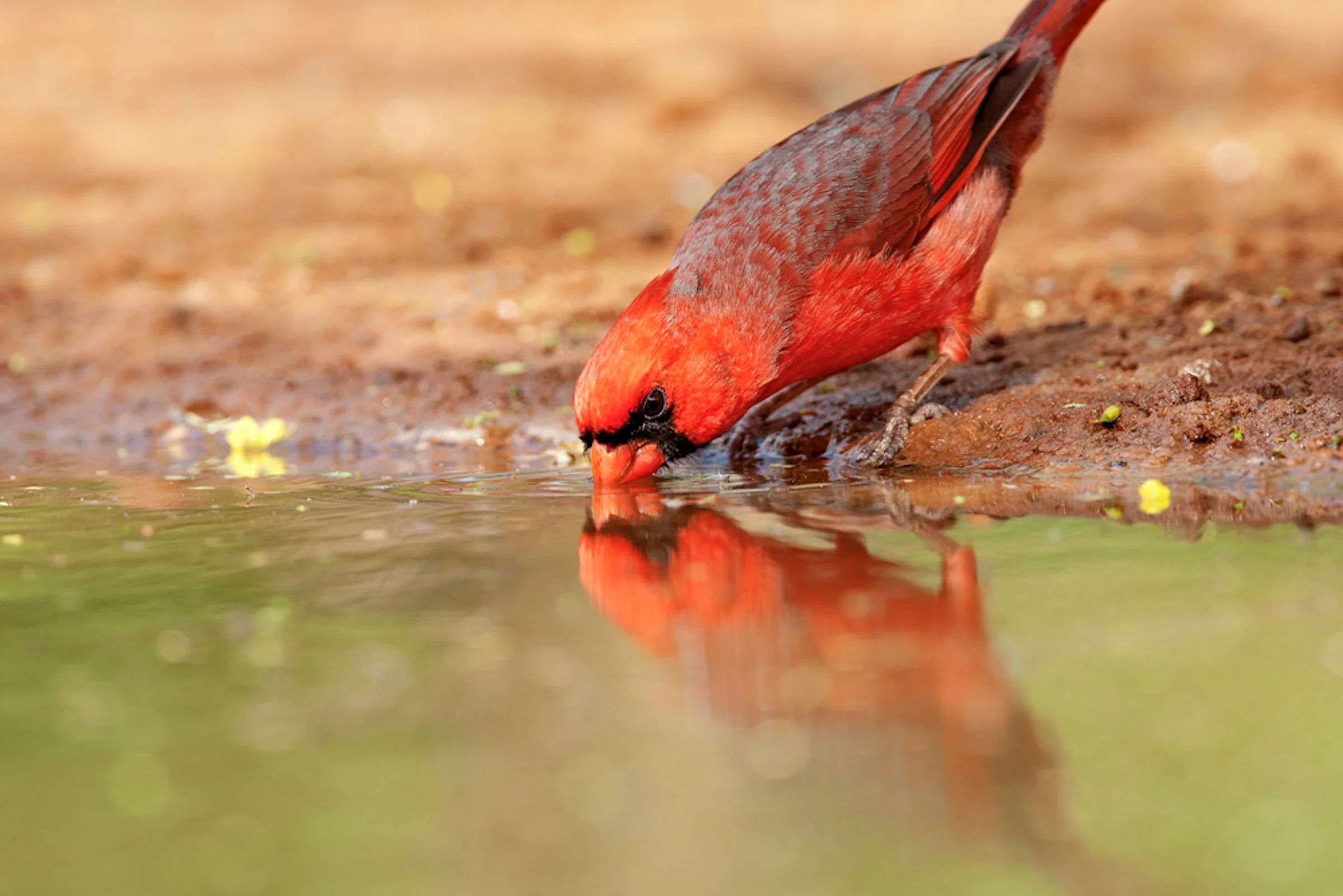
Barbara J. Baird/Audubon Photography Awards
Senate Bill 71 has been referred to the floor of the Alabama State Senate. This bill will prohibit state agencies from creating standards for toxic chemicals in Alabama rivers such as Forever Chemicals (PFAS) and require Alabama to follow Federal standards.
This bill will allow Washington D.C. to dictate what is best for Alabama and the health of our families. This bill will restrict state environmental agencies from adopting regulations stricter than federal standards. This bill will increase the cost of treating drinking water. If ADEM can’t regulate harmful chemicals, water utilities and customers will have to pay the price of cleaning up our drinking water.
This bill creates a costly, insurmountable burden for state agencies to create standards for toxic substances. The bill forces state agencies that have limited resources to show “a directcausal link” to bodily harm in order to protect citizens and prohibits standards based on “increased risk of disease.” All public health science is based on risk assessment.
This bill would tie the hands of state agencies such as the Alabama Department of Health from issuing health advisories on water contamination. The bill will require state agencies to wait until people or animals are dying or sick from toxic exposure before they are allowed to adopt rules about dangerous chemicals or substances.
Follow this link to the Alabama Rivers Alliance page.
Urge your Alabama Senator to VOTE NO on Unsound Science Bill SB 71
Past Action Alerts

December 4, 2025
The Gulf Coast Ecosystem Restoration Council—one of the entities tasked with restoring the Gulf since the Deepwater Horizon oil spill—is proposing a series of projects to comprehensively restore the region’s wildlife and habitats.
We at Alabama Audubon are especially supportive of the proposed project on Dauphin Island, which mesh with our ongoing work to improve nesting habitat for snowy plovers, American oystercatchers, least terns, and Wilson’s plovers.

September 29th, 2025
The survival of Greater Sage-Grouse is deeply tied to the availability of healthy sagebrush habitat. A recent report found that 1.3 million acres of functioning sagebrush habitat are lost every year across the West.

September 12th, 2025
Roadless areas are undeveloped portions of national forests managed by the U.S. Forest Service. There are nearly 58 million acres of roadless areas—accounting for about 2% of the land area of the United States—places currently largely protected from road development and industrial logging.
But now the U.S. Forest Service is planning to repeal the Roadless Rule.
Thank you for taking action- Protect birds, human, and environmental health by filling out this form and letting your voice be heard.

September 3rd, 2025
The EPA is proposing to overturn a landmark scientific finding, increasing risks to birds, human health, and the environments we share.
The EPA is accepting public input on the proposal to eliminate the Endangerment Finding until Monday, September 22.
Thank you for taking action- Protect birds, human, and environmental health by filling out this form and letting your voice be heard.